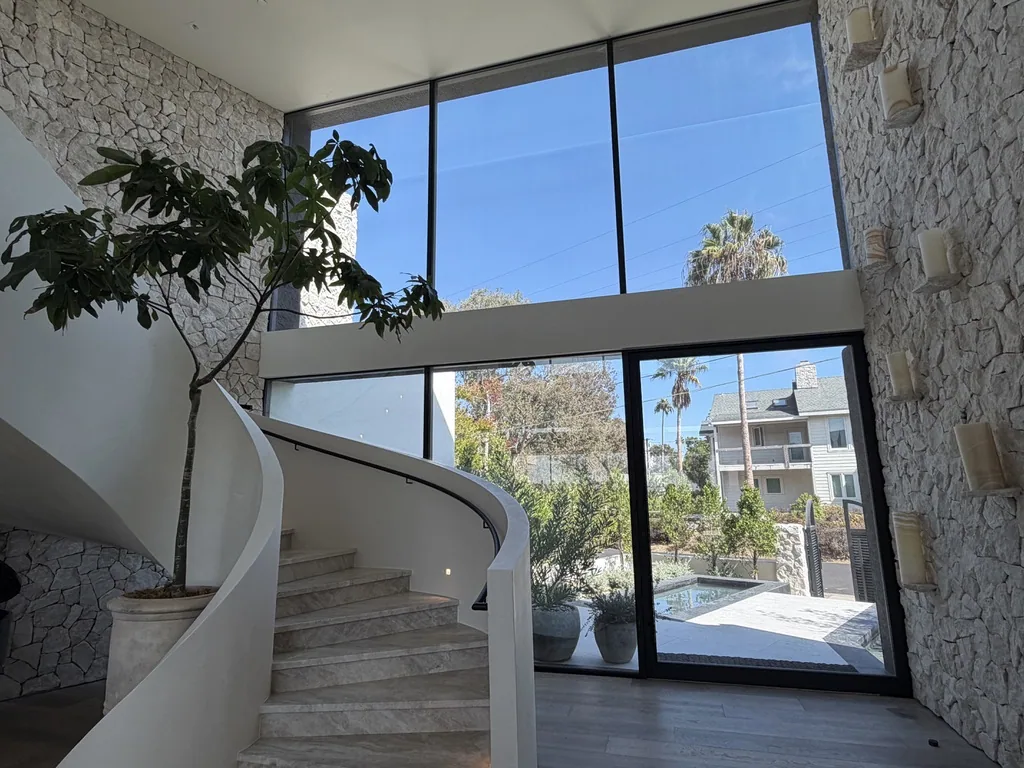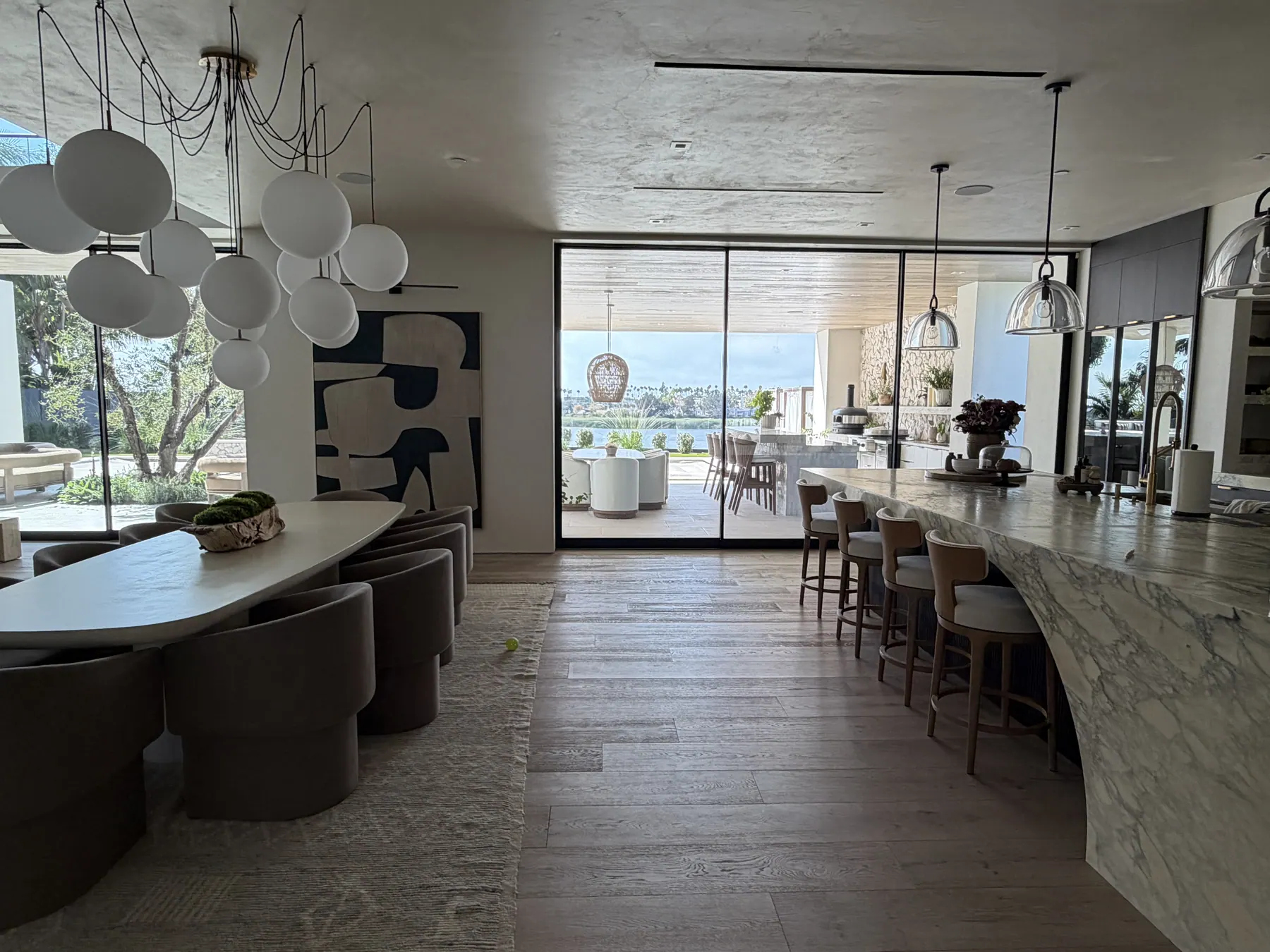
For most heat problems, we recommend Avery Dennison DR OptiTune over ceramic film. The main reason is how each one deals with the sun's energy.
Reflect it or absorb it
Every film stops the sun's energy in two ways: it reflects some of it back outside, and it absorbs some of it into the film and glass. Ceramic films work mostly by absorbing. DR OptiTune is dual-reflective, so it bounces a larger share of that energy back outside before it becomes heat in your glass.
Here are Avery Dennison's published numbers for single-pane glass:
- DR OptiTune 30: 32% visible light, 63% of solar energy rejected. It reflects 32% of the solar energy and absorbs 43%.
- NT PerLite Ceramic 35: 40% visible light, 55% of solar energy rejected. It reflects 17% and absorbs 54%.
So OptiTune 30 rejects more heat, and less of that heat ends up soaked into the glass.
What it looks like
People worry that a reflective film will make their house look like an office building. DR OptiTune has a soft reflective look from outside and low reflection on the inside, so the room still looks natural, even at night. If you want the glass to look untouched, our premium SPe Lite 70 is virtually clear and still blocks 52% of the heat.
When ceramic still makes sense
Ceramic film has a neutral grey look and is a fine choice for UV and fade protection where heat is not the main problem. We still install it. We just don't lead with it for hot rooms.
What it feels like
When I install film on hot glass, I'm usually sweating, with the sun blasting through the window at me. The moment the film goes up, I can feel the heat drop right away. It still makes me laugh how well it works.
Compare every film we install or get a free quote.
Related services
Get a free quote for your windows.
A free on-site visit gets you measured openings, exact film specs and a fixed price. No obligation, and nobody will push you into a film you do not need.